KQED agrees to pay nearly $900,000 settlement in enormous class action suit
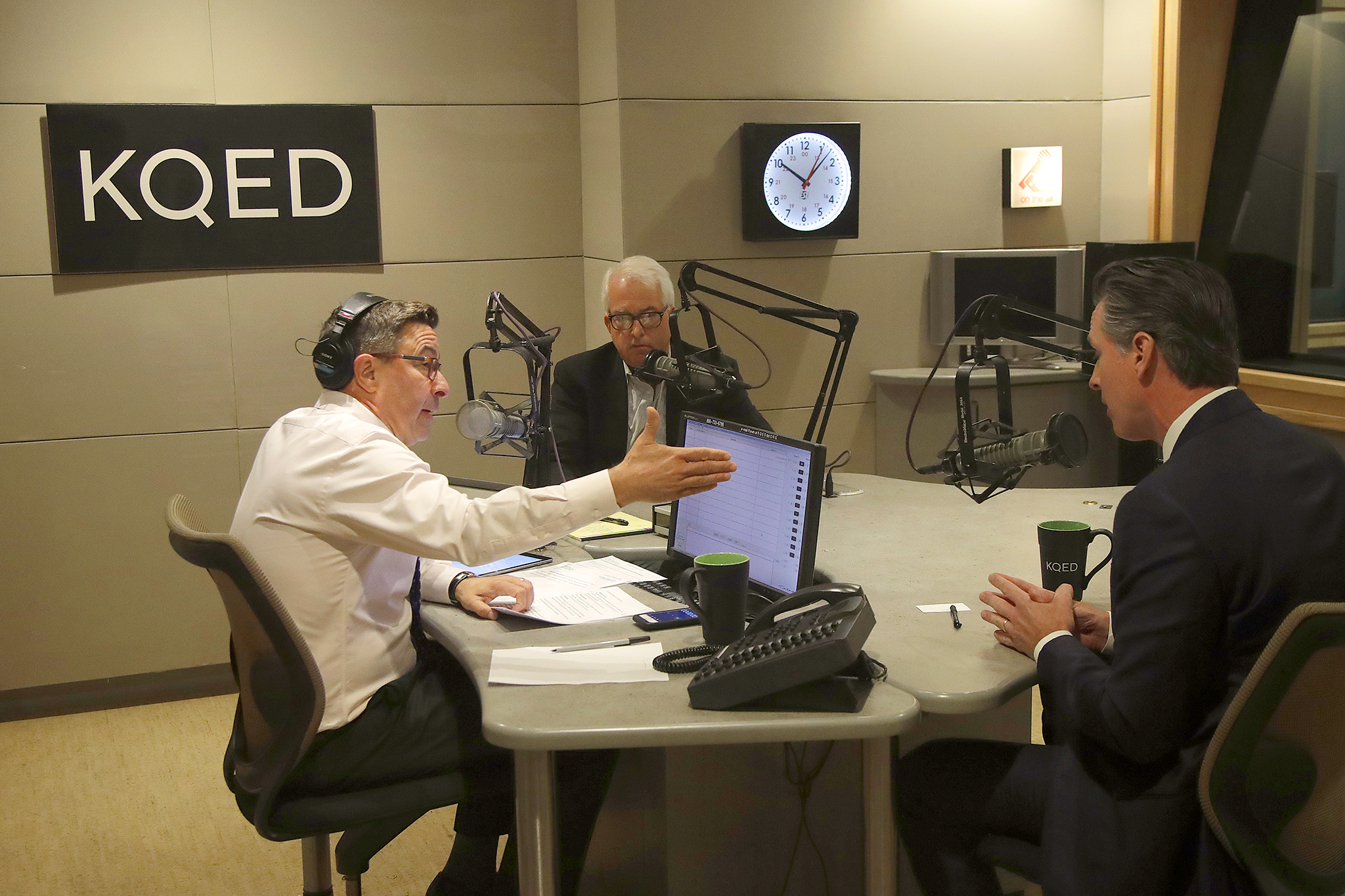
After a two-year-long legal battle, KQED has agreed to pay nearly $900,000 to hundreds of employees who accused the company of violating California labor laws and asserting “control” over workers, legal documents show.
Read more You’re not gonna believe what’s inside Burning Man’s bathrooms

According to a class action complaint filed in January 2024 by Dominic Dulaney on behalf of other unnamed hourly employees, the public broadcast company failed to properly pay them, provide meal and rest periods, and provide accurate wage statements. Now, the company is agreeing to pay a settlement totaling approximately $895,000, with about two thirds of the money expected to go toward more than 580 hourly employees who worked for KQED between August 2019 and May 2025, a Sept. 4 article published on the station’s website says.
“Throughout the statutory period, Defendants maintained a pattern and practice of not paying Plaintiff and the Aggrieved Employees for all hours worked, including minimum wages, straight time, and overtime wages,” the complaint says, adding that KQED required employees to work during rest breaks or after they already clocked out. “Some of this unpaid work should have been paid at the overtime rate,” it continues.
“Defendants also continued to assert control over Plaintiff and the Aggrieved Employees by, among other things, requiring, pressuring, or encouraging them to perform work tasks” in lieu of taking breaks and not compensating them for it, the complaint continues.
After entering a daylong mediation session in January 2025, the two parties couldn’t come to an agreement — but a month later, they tentatively agreed to a settlement, court filings say.
KQED denied every allegation in the class action complaint, accusing the plaintiffs of not complying with the company’s time and recordkeeping practices, February 2024 court documents say. In the Sept. 4 article on KQED’s website, company spokesperson Peter Cavagnaro said the organization agreed to settle to “protect the station, our members and the community we serve from a protracted and more expensive legal battle.”
Read more Inside Burning Man’s latest weather fail
Serving all nine Bay Area counties, KQED has been in operation since the mid-1950s and describes itself as a mission-oriented media group, sharing stories through radio, TV and digital news articles. However, the company faced a series of layoffs in 2025 and announced plans to slash 15% of its workforce in anticipation of federal funding cuts. A year earlier, the organization offered buyout packages to experienced employees age 55 and older to remedy budget woes.

BECOME A FRIEND. GET OUR AD-FREE APP.
“This voluntary program has been put in place to empower qualified employees to make their own career decisions, and enables us to minimize any layoffs and budget cuts,” KQED spokesperson Cavagnaro previously wrote in an emailed statement to SFGATE. “We feel this is the most pragmatic and thoughtful way to confront this challenge at this time.”
However, the buyout program wasn’t able to offset mounting costs: In 2024, the company anticipated laying off between 18 and 25 workers, SFGATE reported. According to 2025 financials, KQED generated $109 million in revenue, while expenses reached just over $111 million.
Attorneys representing the plaintiffs did not respond to SFGATE’s request for comment by the time of publication.
— Rare disease found among the children of an idyllic Calif. suburb
— Ex-Cal softball player alleges coach coerced her into sexual relationship
— Northern Calif. supervisor candidate dies while door-knocking
— Ex-child actor claims she was repeatedly raped during Disney filming
Read more Diplo once again walks miles to escape Burning Man
Sign up for SFGATE’s breaking news email