‘Largely intact’: Exceedingly rare trees appear to have survived Santa Rosa Island Fire
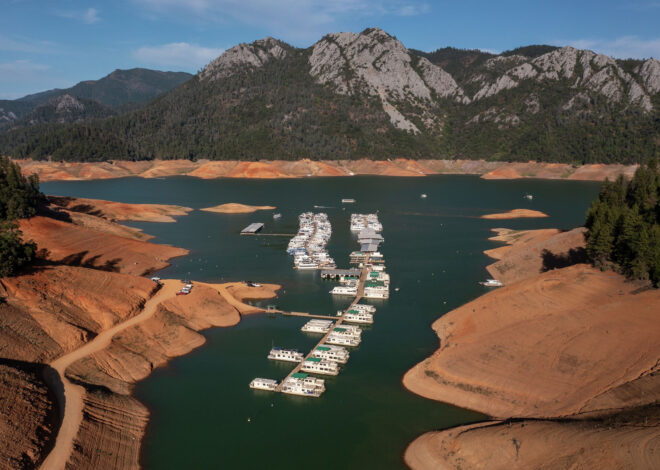
Santa Rosa Island’s grove of rare Torrey pines appears to have been mostly spared from the massive wildfire tearing through the second-largest island in Channel Islands National Park, according to initial assessments on Wednesday.
Read more Whales keep dying in San Francisco Bay. Can AI save them?

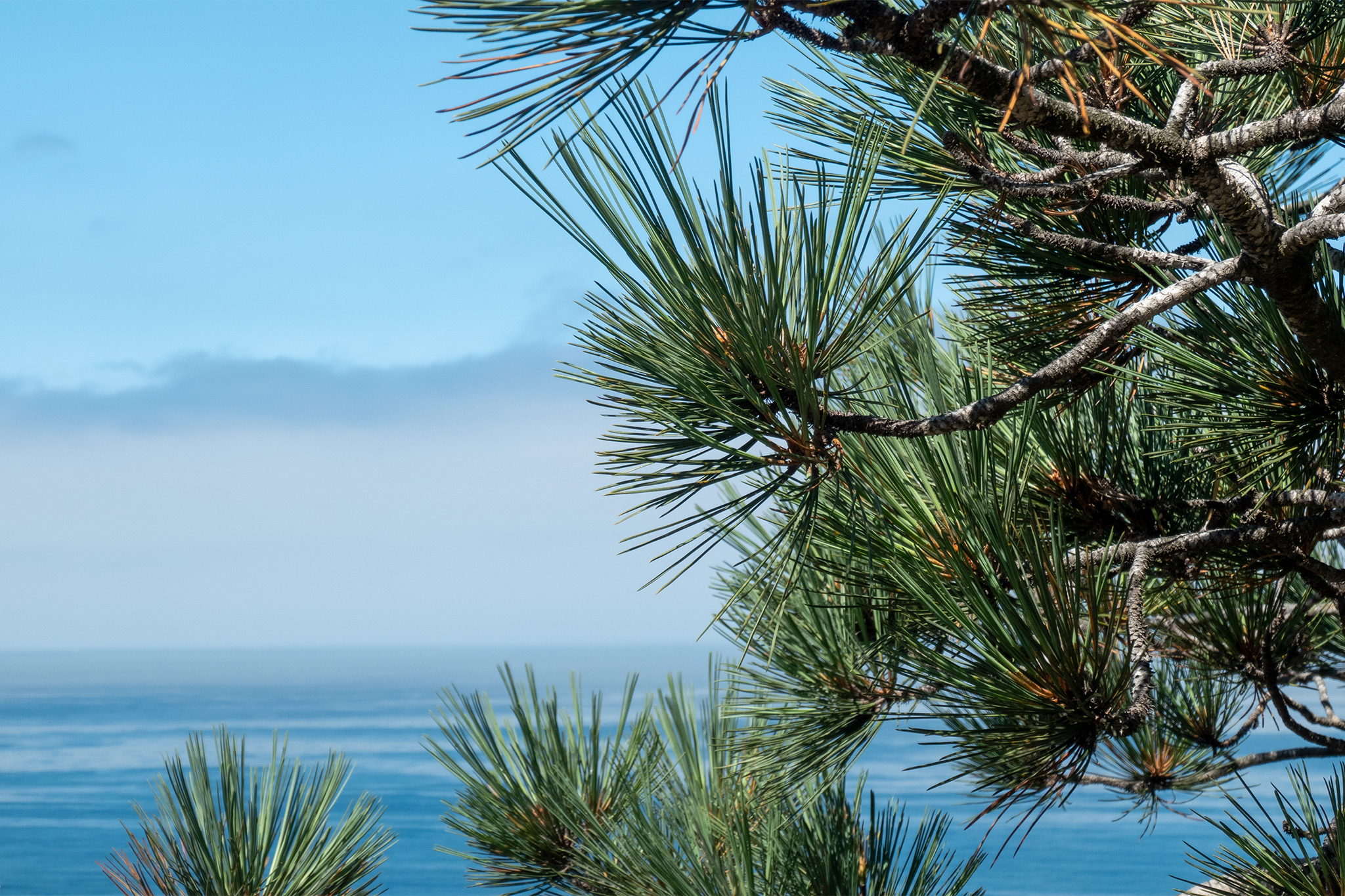
The Torrey pine is “the rarest native pine in the United States and, possibly, the rarest pine in the world,” according to the National Park Service. The tree only grows naturally in two very specific areas: Santa Rosa Island and Torrey Pines State Natural Reserve in San Diego.
The fate of one of the tree’s only two habitats has hung in the air this week while the Santa Rosa Island Fire burned through more than one-third of the island, including the Torrey pine habitat a few miles away from the island’s pier. But Torrey pine lovers and Channel Islands aficionados received tentative good news on Wednesday, even as the fate of the rest of the island’s unique ecology remains uncertain.
Firefighters conducted initial assessments of the grove on Wednesday, and an uncrewed aircraft module also produced flight imagery of the trees. Based on those assessments, “the Torrey Pines on Santa Rosa Island still exist and remain largely intact,” according to the National Park Service.
The fire “appears to have lost energy after burning through the non-native grasses downslope of the trees” and had a lower intensity by the time it reached the Torrey pines, according to the Park Service’s Wednesday evening incident report.
But former Channel Islands National Park Superintendent Russell Galipeau told SFGATE he’s waiting until ecologists and tree experts can take a close look at the site before breathing a sigh of relief.
“The fire could really set it back, so until an ecologist really gets in there, or a dendrologist, and figures out how much damage really did occur, it’s going to be hard to say. We have to remember that this is an ecosystem that evolved without fire,” Galipeau said.
The blaze began after a wrecked sailboat caught fire and had grown to 17,554 acres as of Wednesday evening, when the fire was also 44% contained.
Food | SF bakery finds unusual solution to neighbors complaining about its long lines
Local
Travel | The California town that rose and died in 2 years
Get SFGATE’s top stories sent to your inbox by signing up for The Daily newsletter here.
The rare grove of Torrey pines on Santa Rosa Island is much less visited than its counterpart in San Diego; accessing the island grove requires a three-hour boat ride and a 7.5-mile hike through one of California’s least-visited national parks.
Any significant damage to the Santa Rosa Island grove could be devastating for the species, which, even before the fire, was considered “very vulnerable to extinction,” according to the Park Service. The species’ extremely limited range — even on Santa Rosa Island, it only grows on two specific bluffs in the northeastern corner of the island — combined with its limited genetic variability (“all these trees are basically identical to each other,” according to the Park Service) means the tree has very few options for adapting or shifting its habitat in response to environmental threats.
A lot is still unknown about the trees, including exactly how and when they ended up on a remote island off the California coast. Estimates place the tree’s arrival date on the island anywhere from several million years ago to between 5,000 and 43,000 years ago. While the seeds were most likely brought to the island by birds, they may also have been brought by the Chumash or their ancestors.
Read more TSA quietly rolls out expansion plan for private security
Scientists believe the Torrey pine was always somewhat rare and always relied on foggy coastal habitats, but likely occurred more frequently along the California coast in the past. A shift to a hotter, drier climate between 3,000 and 8,000 years ago likely led to the tree’s decline everywhere except for a small sliver of San Diego coastline and two coastal bluffs on Santa Rosa Island.
And over thousands of years, the two populations of Torrey pines have become so distinct that they’re considered separate subspecies. The Santa Rosa Island Torrey pine is shorter, broader and bushier, according to the National Park Service, with thicker bark and blue-gray pine needles, while the mainland tree has gray needles.
The eight Channel Islands are home to a total of 281 endemic species, meaning species that don’t naturally occur anywhere else on Earth, including many species that are only found on one specific island. More than a dozen federally threatened and endangered species also call the islands home.
All of these plants and animals — and the entirety of the islands’ fragile ecosystems — are particularly vulnerable to invasive species and other threats, since native species don’t have much room to migrate. And wildfires can clear the way for to gain a bigger foothold, squeezing out native plants. For example, the 2020 Scorpion Fire at Santa Cruz Island, which burned a total of 1,368 acres, created ideal conditions for the spread of nonnative grasses.
Fires are historically rare on the Channel Islands; Park Service analysis shows that the islands might have seen as few as one major natural fire in 1,000 years.
This week’s fire is only the latest chapter in nearly two centuries of human-caused ecological damage to the Channel Islands. The islands are slowly recovering from years of ranching operations, including the removal of thousands of feral pigs from Santa Cruz Island in the early 2000s.

The Bay Area’s best free newsletter.
By signing up, you agree to our Terms Of Use and acknowledge that your information will be used as described in our Privacy Policy.
“This is significantly different than on California’s mainland. The island flora and fauna are recovering from over 100 years of heavy livestock and feral animal grazing. Widespread fire would likely slow down the recovery of native habitat,” states an FAQ document produced as part of the park’s fire management planning process a few years ago.
Since removing herbivores like deer and elk from the island, along with other restoration efforts over the past two decades, “the grove has really rebounded,” Galipeau said. But the fire could set those efforts back, as it “ripens the ground” for nonnative species to potentially gain a greater foothold again and take over parts of the island ecosystem, said Galipeau.
While Torrey pines aren’t listed as endangered by the state or federal government, they are considered critically endangered by the International Union for Conservation of Nature. Back in the 1880s, when Santa Rosa Island was covered in grazing sheep, the coastal bluffs only had around 100 healthy trees. Once sheep were removed from the island in the early 1900s, the grove began to thrive. As of 2015, it held about 3,500 trees and more than 8,500 seedlings.
—More hiking trails, campgrounds could come to the Salton Sea
—California’s steadiest whale watcher doesn’t like what she sees
—A donkey ‘serial killer’ is on the loose in California’s Inland Empire
—How the world’s largest wildlife crossing became the target of right-wing hate
For more SFGATE LA stories, subscribe to our new weekly newsletter The Southland here.
Read more Calif. gas prices could spike even higher after India slashes exports