‘Chronic stress’: Federal workers who quit under Trump tell all
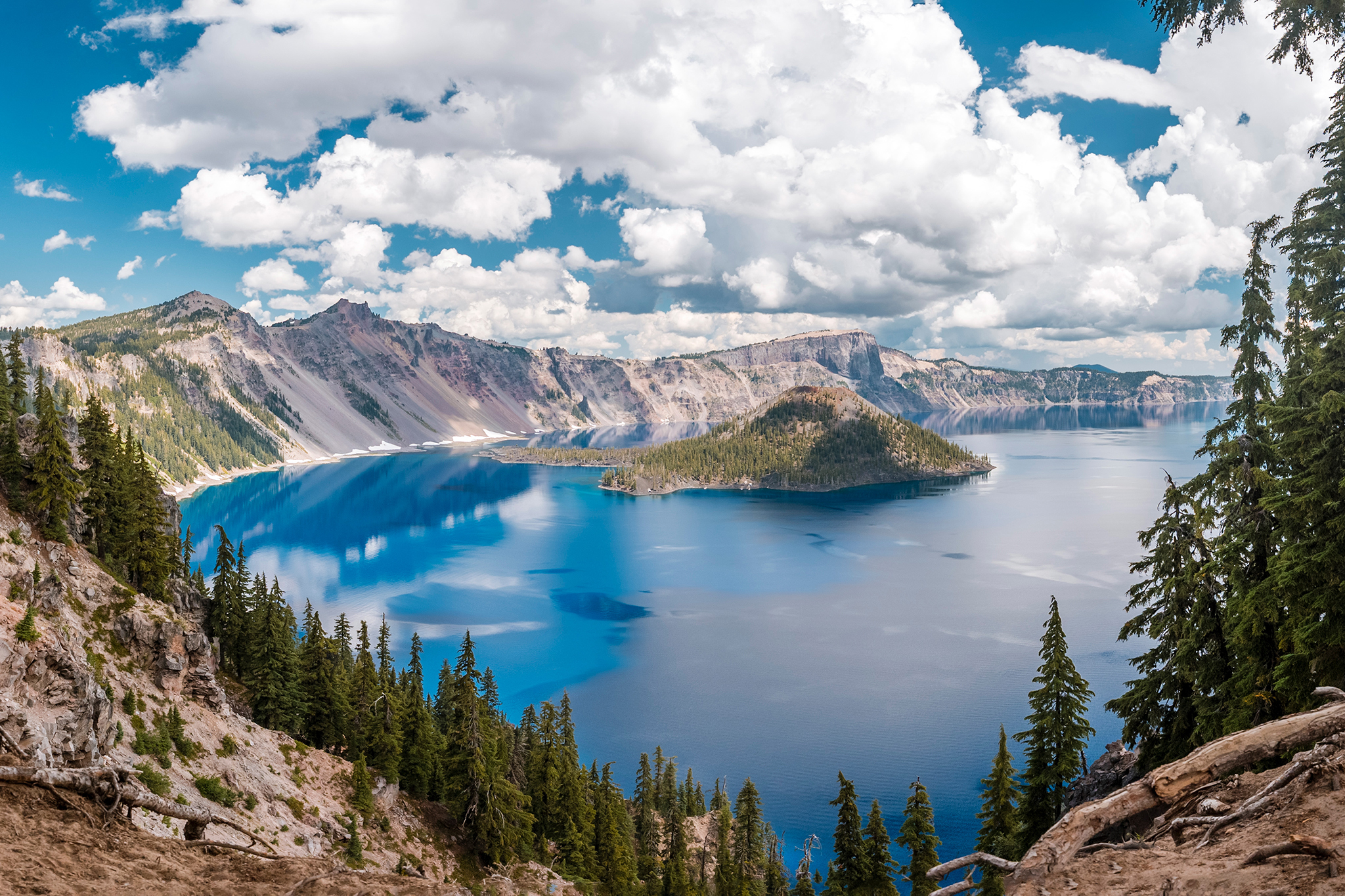
Kevin Heatley had barely settled into his job overseeing Crater Lake National Park when he began to realize he might not be able to stay.
Read more Giants manager Tony Vitello ejected for MLB-leading 7th time this season

Heatley took over as superintendent in January 2025, stepping into one of the National Park Service’s most iconic landscapes. Crater Lake draws about half a million visitors a year, and running the park means monitoring roads through heavy snow, maintaining facilities and making sure employees have the resources they need to do their jobs safely. But within months, Heatley was watching the park’s workforce shrink while seasonal hiring was delayed and existing employees were being asked to take on more work.
By June, less than six months into the job, Heatley had accepted a federal buyout and walked away.
“There was chronic stress on employees because of constant disruption and uncertainty — it was never-ending. From the time of Trump’s inauguration until I left, one thing after another,” Heatley told SFGATE.
The first several months of 2025 were hectic for federal employees. About a thousand Park Service employees were fired in what became known as the “Valentine’s Day Massacre,” and job offers for seasonal positions were rescinded. Remaining staff were forced to deal with their credit cards being frozen and the Elon Musk-led DOGE initiative that forced employees to relay their weekly accomplishments to the now-disbanded department.
“They were purposefully decimating the workforce and no one knew what was coming next,” Heatley said. “If those amateurs thought they were running the Park Service like a business, they were terrible businessmen.”
Heatley’s departure from a coveted Park Service position became one of the more striking examples of the upheaval inside the federal government in 2025. Now, Heatley’s departure is getting a second life in “Count Me Out: The Best Federal Resignations of 2025,” an upcoming anthology from Bicycle Comics that collects resignation letters and stories from federal employees who left their jobs throughout the first year of Donald Trump’s second presidential term.
Heatley is an unusual centerpiece for the book. He didn’t leave behind a resignation letter, but Artie Moffa, the book’s editor, connected with his story and thought it was important enough to include anyway. Rather than force it into the book’s letter-based format, Moffa decided to tell Heatley’s story visually.
The resulting illustration shows Heatley sitting on the Old Man of the Lake — the park’s iconic buoyant and bobbing tree — contemplating what he was leaving behind. Boxes and remnants of his time with the National Park Service surround him, while a Mazama newt — an endangered species found at Crater Lake — appears beside him.
Heatley’s story and many of the book’s letters focused not on the person resigning but the bigger picture, Moffa told SFGATE. “[Heatley’s] calling attention to the importance of how his workers get treated, treating the staff with dignity, workplace safety,” he said.
Moffa and his team considered 84 letters and ultimately selected 25, with some submissions coming from former employees who reached out and others solicited by the editors.
The letters cover a wide range of federal jobs and circumstances, but Moffa said a common thread emerged as he read through them: Many of the employees didn’t want to leave. Some stayed longer than they otherwise would have because they worried about what would happen to their colleagues or who might replace them. Others felt they could no longer carry out their duties without compromising their principles.
Still, the letters aren’t uniformly political or written as acts of protest, Moffa said. Some are deeply personal and others are remarkably matter-of-fact, laying out the reasons an employee could no longer do their job and had to walk away.
Read more Call’s RBI double, Pages’ 3-run HR in 10th lift Dodgers to win No. 100, 5-1 over Giants
“This is an extremely difficult decision. I have been a federal prosecutor for ten years. I love this job. I love representing my country in federal court. And I love my former colleagues, whose integrity and courage reflects the Department’s best traditions and gives me hope for our section’s future,” wrote Ryan Crosswell, a trial attorney with the Department of Justice’s Public Integrity Section, in his resignation letter on Feb. 17. “I cannot work for someone who invokes leadership after forcing dedicated public servants to choose between termination and a dismissal so plainly at odds with core prosecutorial principles.”
“I am okay with my choice, but I don’t think I will ever be okay with how/why it happened. It feels a little like closing a good book mid-chapter and having to find a new one in a darkened library,” wrote Lauren Winebrenner, a public affairs specialist with the Internal Revenue Service, in her resignation email on April 24.
She signed off with a wry farewell to the year: “Warmest regards from the 2025 burning dumpster fire.”
For Moffa, the collection is ultimately less about the politics surrounding the resignations than about preserving a record of why people who had spent years building careers in public service decided they could no longer stay.
“I’m very impressed with the clarity and the professionalism and the patriotism of these people. They weren’t doing it to resist. They were doing it to call attention to something bigger than themselves. I hope that the book does right by them,” Moffa said.
“Count Me Out: The Best Federal Resignations of 2025” is scheduled for release in October.
For Heatley, the importance of that record goes beyond his own departure. After four decades working in natural resource management, he said he took his responsibility for the health, safety and welfare of his employees seriously, and that was ultimately what made staying at Crater Lake impossible.
“The quality of people who left the federal government won’t be replaced for decades,” he said. “Creating an anthology of examples of the rationale for leaving their positions is important to the national conversation about how we function as a nation, how we manage public lands, all these entities so central for operating world-class government organizations.”
— National park ranger quits, tours visitor centers to fight censorship
— 30-year-old who set El Capitan speed record dies in national park climbing accident
— Near Mount Rainier, mysterious sightings continue to baffle the public
— Calif. marmot researchers turn to OnlyFans as their funding dries up
We love national parks just as much as you do, so we have a newsletter that covers them from top to bottom. Sign up here.
Read more ‘Like a horror movie’: Woman recounts sea lion attack in Monterey Bay