California races to take a ‘snapshot’ of the coast before its too late
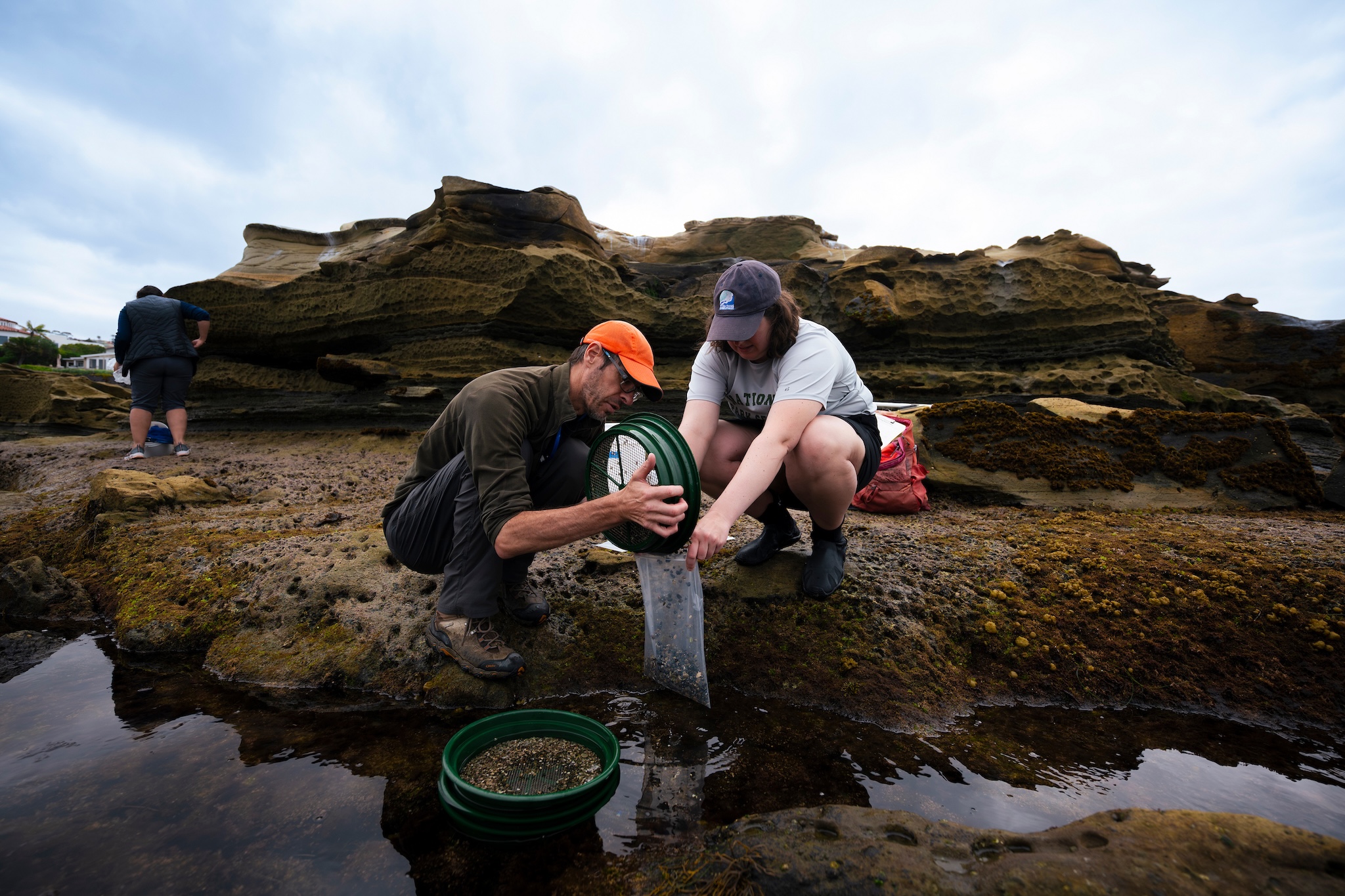
Dozens of scientists from across California have teamed up to begin a painstaking and unprecedented cataloging of every intertidal species along the coast. The yearslong effort will not only help the state adapt to climate change; it could also document thousands of new species for the first time.
Read more SF Catholic school suddenly shuts down after more than 130 years

Researchers started the work on June 21 in the tide pools near Scripps Institution of Oceanography in La Jolla, and in less than 10 days, they have already collected about 1,500 unique species, Greg Rouse, a marine biologist at Scripps at UC San Diego, told SFGATE. It’s careful, tedious work, with scientists picking through sand and mud and scraping along rocks to find every specimen possible, including some that are just a few millimeters long or less.
There are about 3,000 invertebrate species and about 1,000 algae species known in the intertidal areas of California, Rouse said, but over the next two years, he wouldn’t be surprised if they found two times that number.
It’s unfortunate that this cataloging has never been done before, Rouse said, since the coastline has already shifted due to climate change. “The essential habitat is changing, so that’ll change species distributions and as oceans warm. Things that are used to warmer water will come north,” Rouse said. “And other things will move, change their ranges, but at least it’s good that we’ll get the snapshot now.”
These “bioblitzes” are set to happen in short time periods along the coast, with the San Diego area endeavor wrapping up July 4. Additional planned locations include Monterey, Santa Barbara, San Luis Obispo, Bodega and Humboldt. Rouse said they also hope to conduct sampling at smaller locations, as well as the Channel Islands and near the large ports.
The study, dubbed the California Intertidal Biodiversity DNA Barcode Library Project, aims to sequence the DNA of every specimen, which will help researchers analyze and identify “cryptic species” — species that look the same visually but have different DNA. The material will then be archived in California museums and research institutions, like the Natural History Museum of Los Angeles County, the California Academy of Sciences and UC Berkeley.
Read more Giants 3B Matt Chapman leaves game with abdominal strain, set for MRI on Wednesday

The Bay Area’s best free newsletter.
By signing up, you agree to our Terms Of Use and acknowledge that your information will be used as described in our Privacy Policy.
The project and creation of the new DNA library are funded by $9.5 million from the state’s general fund allocated in 2023. It’s led by the Southern California Coastal Water Research Project and supported by the California Ocean Protection Council, with more than 50 researchers from various museums and organizations participating.
Since nothing like this has ever been done before, it will also serve as a baseline for future surveys. Rouse said ideally, one would be conducted every 20 years. The library will also help scientists better understand the number of invasive species along the coast and how much that may affect the coastline’s future.
“The intertidal is a remarkable habitat. It’s a very extreme habitat. It’s a very challenging place to live,” Rouse said.
— The California town that just wants to be left alone
— America’s obsession with California failing
— There’s one US town where residents live significantly longer. It’s in California.
— There’s a quiet housing fix spreading across California
— California remote workers are bringing their high salaries elsewhere
— California made them rich on paper and now they’re stuck in place
Read more Ketel Marte homers in his 4th straight game, D-backs extend dominance over Giants with 8-2 win