Monterey Park votes to permanently ban data centers
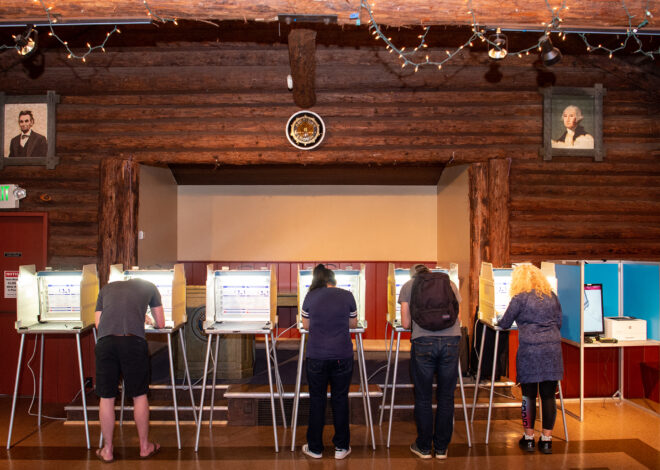
Monterey Park voters made history Tuesday by passing the first permanent ban on data centers nationwide.
Read more Police say hundreds may have witnessed deadly shooting at Fairfield graduation

Voters are on track to overwhelmingly approve the ban, with 86% in favor according to the latest ballot count, leading organizers to claim victory (the official results won’t be certified until July 10). Where other jurisdictions have passed temporary measures to curb the controversial development of these massive server farms, Monterey Park voters’ decision in this election will keep developers at bay unless voters want to revisit the decision in a future election.
“It really goes to show the power of community,” Monterey Park Mayor Elizabeth Yang told SFGATE. “We had sufficient community support and community members that were willing to come out to be civilly engaged and speak up.”
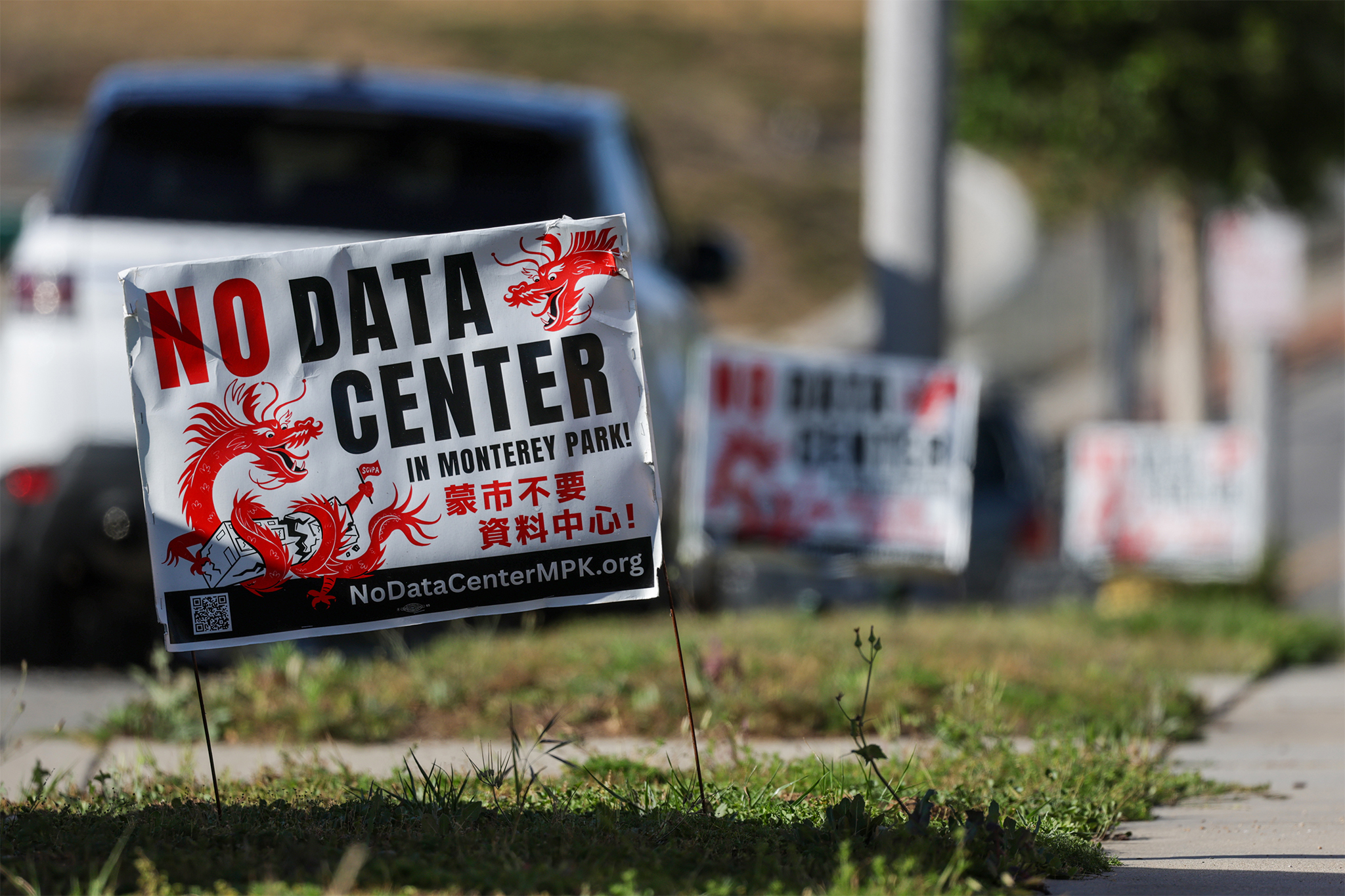
For residents and organizers of the Los Angeles suburb in the San Gabriel Valley, the vote puts a definitive end to a fight to stave off construction of a massive data center between a residential neighborhood and Highway 60.
In 2024, Australian asset management company HMC Capital purchased a vacant office building at 1977 Saturn Street for $39 million, with plans to build a nearly 250,000-square-foot data center. But in December, a local organizing group called “No Data Center in Monterey Park” began coalescing residents to push back against the company’s development proposal. The company also owns a neighboring office building where it intended to develop another data center, the Los Angeles Times reported.
Local organizers won a series of victories in its opposition to the development over the past six months. In January, the Monterey Park City Council passed a 45-day moratorium on data centers in the city, which, in a letter to the city in February, the developer’s legal counsel called an ill-willed action motivated by public pressure. Despite a threat of litigation, the city unanimously renewed the moratorium for 10.5 months in March following a more than six-hour-long meeting where residents lined up in the dozens to voice their concerns.
While the developer withdrew its application shortly after, the local fight continued. Organizers told SFGATE that they had to pivot their messaging before the election to tell community members that just because this developer was gone, it wouldn’t stop others from coming into town.
Jesse Damon, an organizer with “No Data Center in Monterey Park,” told SFGATE that despite seeing increased momentum in their movement toward Election Day, Tuesday’s results exceeded their expectations.
“The hope was to send an incontrovertible message to developers that our communities don’t want this, that this isn’t good for us, and we did that,” Damon said.
But the regional fight against these types of facilities is nowhere over, and it’s just beginning nationwide. Residents living near proposed data centers have continued to voice concerns about these facilities hijacking their water supply and polluting the environment. In the global race to develop increasingly more powerful artificial intelligence, local communities are being caught in the crosshairs of an equally fast race to build the infrastructure needed to support the technology — and they’re not happy about it. A March Gallup poll shows a significant majority of Americans oppose data center development near their homes.
Neighboring cities, such as Montebello and El Monte, have passed temporary moratoria on data center applications while officials study their potential impacts, and in Alhambra, officials cleared a new zoning code to keep the facilities out of city lines. But Monterey Park organizers maintain their path was the only sustainable option.
Local organizer Roxana Farahani noted that anything short of a permanent ban could allow future elected officials who favored development to approve construction permits down the line. While Tuesday’s ballot measure had support from all five City Council members, this move by Monterey Park puts any future decision making power in the hands of its residents, she said.
Read more Bay Area woman accused of setting fire to nation’s oldest Buddhist monastery
“It sends a message,” Farahani said. “To see how people are so involved, and to see it work, I think it’s very hopeful to people.”
Monterey Park organizers now hope their fight can expand across the San Gabriel Valley. In the nearby City of Industry, a local fight is brewing over plans to convert the Puente Hills Mall into a battery storage facility and data center.
While the city only has a population of around 300, residents of neighboring cities worry the development could be an environmental hazard for the region, and another group, “No Data Centers San Gabriel Valley,” is leading the opposition. A petition circulated by the group opposing the City of Industry plans has garnered over 28,000 signatures.
Across California and the country, other restrictive policies and attempts to curb construction have had varied success as local governments weigh economic development against environmental concerns.
In the Imperial Valley, farming communities and developers are at odds over multiple proposed data centers, due to concerns that the server farms’ water usage may negatively impact an economically struggling agricultural region. In April, Maine’s state Legislature passed a moratorium on new data center construction, only to be vetoed by the governor for lacking an exemption for a development in an economically burdened town in the state’s south. In Tucson, Arizona, city officials unanimously voted against development of a data center last year over water-use concerns but were effectively overruled by county officials who approved the zoning for the land.

The Bay Area’s best free newsletter.
By signing up, you agree to our Terms Of Use and acknowledge that your information will be used as described in our Privacy Policy.
Following the win in Monterey Park, organizers hope their campaign can inspire others across the country to stand up for their communities.
“We’re living in a political context where a lot of particular communities of color are under a lot of duress, and some of the data center activism feels like reclaiming some power as community members,” Damon said.
Editor’s note: This story was updated at 9 a.m., June 4, to correct the names Elizabeth Yang and Roxana Farahani.
— Calif. farmers bulldoze acres of trees after Martinelli’s ends contracts
— Bay Area woman accused of setting fire to US’s oldest Buddhist monastery
— Bay Area couple drowns at waterfall in Kings Canyon
— Tourist dies at Calif. skydiving center after apparent collision
Read more Multimillion-dollar wildlife bridge in NorCal gets first travelers before it opens
Sign up for daily SFGATE breaking news alerts here.