Massive butterfly swarm becomes the talk of Santa Cruz
Exceptional. Magical. Healing. Santa Cruz area residents seemingly cannot stop posting positive adjectives about the unexpected wave of butterflies flooding their region.
Read more Tesla driver out on parole from LA attacks gets 7 years for road rage in Hawaii

On Mother’s Day, the thick blanket of orange and brown butterflies arrived in Shannon Robbins’ garden in Bonny Doon, a community in the Santa Cruz mountains devastated by the CZU Lightning Complex fires in 2020.
The winged insects have not left yet, though their numbers seem to ebb and flow.
“It’s very uplifting,” Robbins, a landscape designer who has lived in Bonny Doon for two decades, told SFGATE. “Everyone here is so excited.”
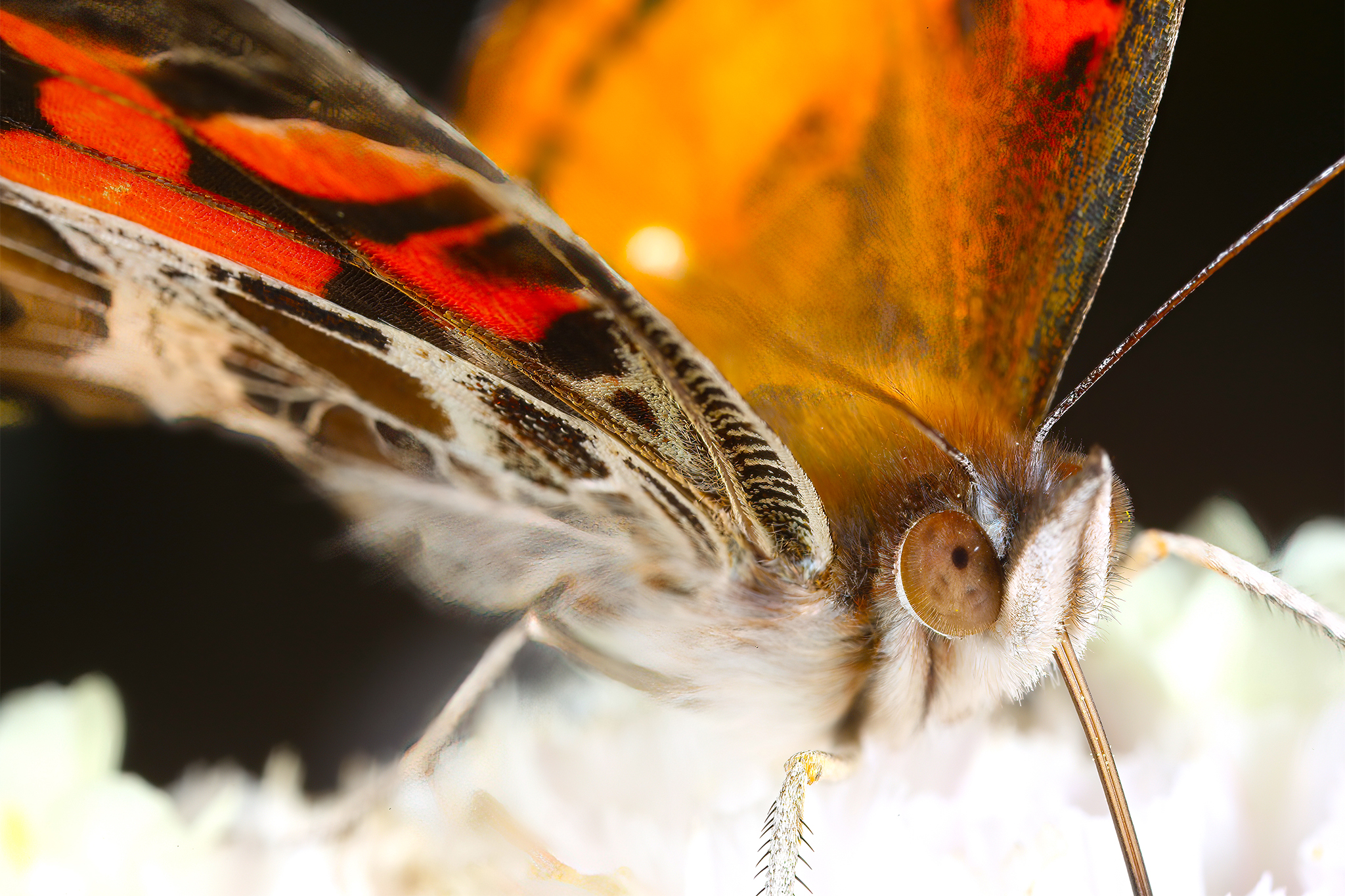
The butterflies resemble monarchs, a species on brink of extinction that shelters along California’s coast every winter. Yet the visitors are in fact a more prosperous insect called California tortoiseshells (Nymphalis californica), whose sudden appearance in Santa Cruz came as a surprise to local ecologists, too.
“The irruption of California tortoiseshell butterflies in Santa Cruz County is episodic and very unusual in my experience from 1986 to present,” Grey Hayes, an ecologist who lives just north of Santa Cruz, wrote to SFGATE.
Although residents have not seen swarms of tortoiseshells in Santa Cruz for years, spring always marks a seasonal migration for the species from lower to higher elevations. They time their travels with the budding of wild lilacs, where they lay their eggs. Tortoiseshell populations, found throughout the West, are known to explode some years when the conditions are just right.
“This is a mass migrant that makes news at irregular intervals by tying up traffic!” Arthur Shapiro, an emeritus professor at UC Davis who specializes in butterflies, wrote about tortoiseshells. He added: “Adults emerge in late May to early June and almost immediately emigrate, going north or east and upslope. Breeding localities in summer vary widely from year to year – sometimes in the high southern Sierra, sometimes in the Cascades… sometimes only in far northeastern California or even farther north.”
Read more San Diego City Council finally concedes on parking fees at Balboa Park
Shapiro wrote to SFGATE on Thursday evening: “I just got a report of lots of torties at Hastings Reservation (Carmel Valley) today. That and the Santa Cruz reports suggest the source is the central Coast Ranges south of the bay.”
Another exceptional swarm cropped up in 2019 to the delight of Lake Tahoe residents.
Hayes told SFGATE that the last time he noticed tortoiseshells in Santa Cruz County was in 2017, which was eight years after the Lockheed Fire.

The Bay Area’s best free newsletter.
By signing up, you agree to our Terms Of Use and acknowledge that your information will be used as described in our Privacy Policy.
“I’m supposing that the large numbers now are in response to the 2020 fire and the resulting massive explosion of Ceanothus thyrsiflorus, a.k.a. blue blossom and as you say ‘California lilac,’ which is their larval host plant,” Hayes wrote. “As the 2020 fire extended over a much larger area, there are many more blue blossom bushes across the region, so the butterflies likewise are more expansive than in 2017.”
For Robbins, the butterflies signify a welcome change on the land.
“It almost feels like the landscape is healing,” she told SFGATE.
— AI data centers appear to be creating their own microclimates
— After ‘unprecedented’ results, SF researchers get closer to HIV cure
— Gray whales are out of luck in San Francisco Bay
— California faces first sign of a new drought
Read more More Big Tech money pours in to California governor candidates in race’s final weeks
Sign up for daily SFGATE breaking news alerts here.