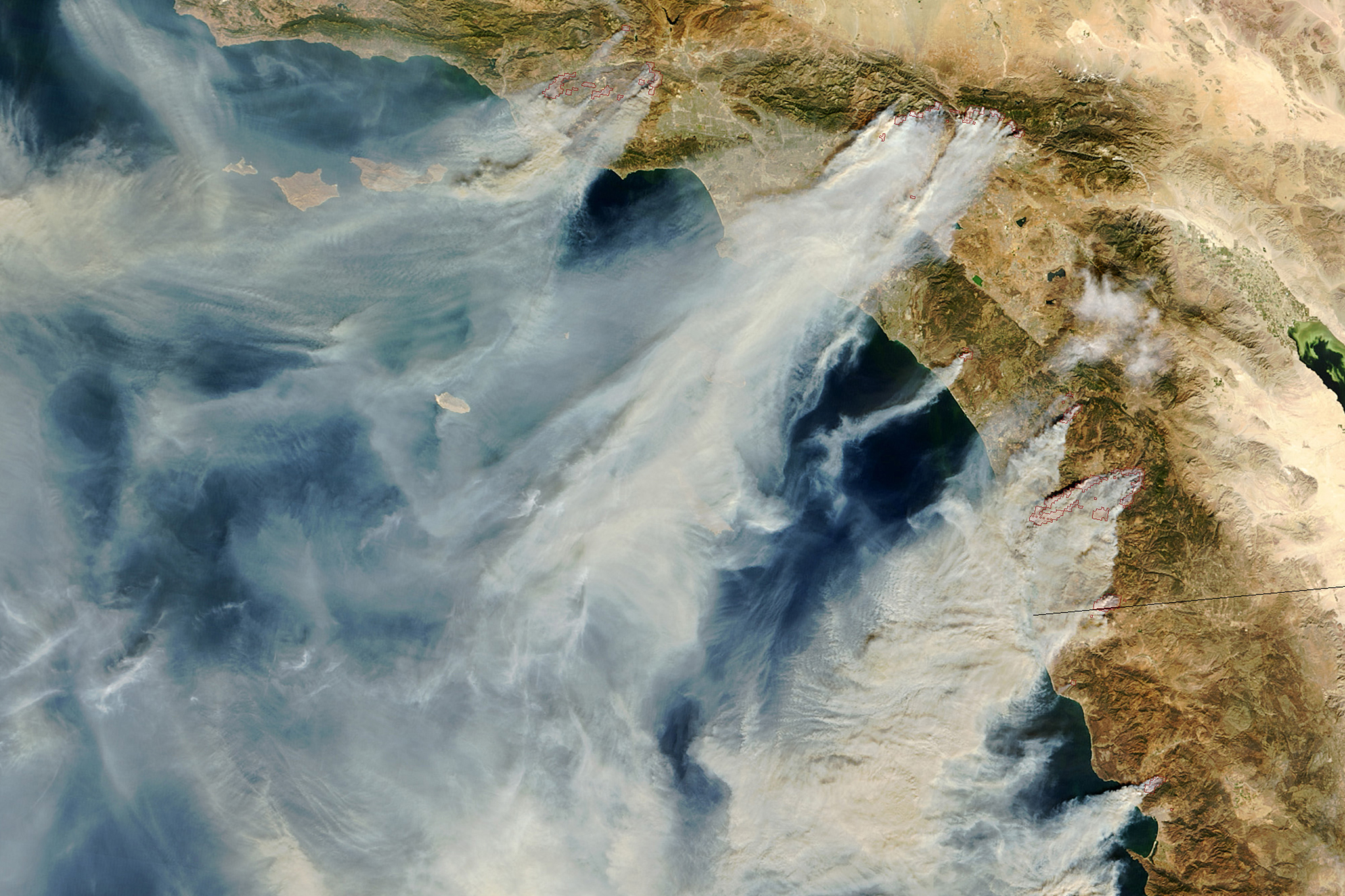
30 years of data reveals how people ignite majority of Calif. wildfires
Humans cause the vast majority of wildfires: Campfires escape, cigarette butts ignite flames in dry grass, power lines send sparks into a dry forest. A new report analyzing more than 30 years’ worth of wildfire data provides a closer look into what kinds of fires are caused by humans and what can be done to reduce the number of wildfires.
Read more Teen who died rafting on Stanislaus River wasn’t strong swimmer, mom says

Humans cause more than 85% of wildfires in the United States, according to research by Headwaters Economics. The Montana-based research group recently published a new online dataset that analyzes more than 30 years’ worth of wildfire data collected by the U.S. Forest Service. The data, which can be broken down by state and county, shows the myriad ways human-caused fires ignite across the country.
In California, humans caused 67% of wildfires between 1992 and 2024.
“It’s really important that we have access to this kind of open, public, transparent data,” said Kelly Pohl, associate director at Headwaters Economics, in an interview with SFGATE on Friday. “The Forest Service has been assembling this dataset for many years, and it allows us collectively to look across time and space and identify where prevention strategies are going to be most effective. This kind of data is really key, and it’s only possible because of the investment of public scientists.”
Most human-caused wildfires are ignited from debris and open burning, which includes burning vegetation, garbage or yard waste, Pohl explained. Since 1992, open burning sparked more than 611,000 wildfires that went on to scorch an estimated 8.6 million acres. This is a trend that’s held steady for decades: “It hasn’t really changed in the 30 years of data,” Pohl said, “so it still continues to be a really significant source of damage.”
Most California wildfires started by humans are attributed to unknown causes. That happens when investigators can’t pinpoint an exact cause for the wildfire or, in some cases, the fire burns over the start point and destroys the evidence, Pohl said.
But in cases where investigators are able to home in on the source, the most common point of ignition comes from cars and equipment.
Cars and equipment started more than 47,000 wildfires in California between 1992 and 2024.
“When vehicles drive into tall grass or shrubs when the conditions are dry, the undercarriage of the vehicle or any part of the vehicle that’s being dragged, like chains if you’re hauling a trailer, can create sparks and create heat that will start vegetation on fire,” Pohl said.
Read more 2 sets of remains, 1 of a baby, found hours apart in Monterey County
Arson is also a leading category of human-ignited wildfires in California. More than 25,000 wildfires in that 32-year time period were attributed to arson, which requires a motive with “malicious intent,” Pohl explained.
A nationwide decline in smoking also shows up in wildfire data: “Nationally, fires attributed to smoking peaked at around 3,500 per year from 1999 to 2001, declined gradually through the 2000s, and then fell sharply after 2018, with only 822 such fires recorded in 2019,” Headwaters Economics states.
In California, smoking caused almost 8,700 wildfires between 1992 and 2024.
Another interesting takeaway involves power lines. Between 1992 and 2001, power lines ignited 745 wildfires in California. In the most recent decade of the dataset, between 2015 and 2024, that number rose slightly to 1,066. It’s a slight increase but far less than what the data shows nationally.
“Power line ignitions are up thirteenfold across the country, and they burn more land area than any other kind of human-caused fire,” Pohl said. “But what’s really cool is that some states that are taking steps to reduce power line ignitions are seeing success.”

BECOME A FRIEND. GET OUR AD-FREE APP.
Pohl hopes this tool will help decision-makers find information about wildfires in their community so they can stay informed. “It’s actionable data,” she said. “It’s something that can really help us take steps today to reduce damages caused by wildfires and at a meaningful scale. So we designed the tool to be free and public access so that anybody who is doing wildfire prevention work has access to the same information.”
Even so, it’s impossible to stop every wildfire.
“Not every ignition is preventable. There will always be wildfires,” Pohl said. “And so strategies for preventing ignitions also need to be paired with other tools like home hardening, land use policies, fuels mitigation and effective response. We are never going to be able to stop all fires from starting.”
— California teen girl found buried in vineyard identified
— Teen who died rafting on Calif. river wasn’t strong swimmer, mom says
— Former Cal State coach gets prison time for pimping
— 3 dead, 7 injured in Idaho In-N-Out shooting
Read more Heat advisory issued as East Bay could see highs near 107
Sign up for SFGATE’s breaking news email