Why El Niño is driving this unusual ocean phenomenon in California
A satellite that measures ocean levels across the globe seemed to pick up a massive glitch in June. Along the equator, the Pacific Ocean appeared taller than normal.

The phenomenon is a sign of El Niño, the seasonal climate pattern that the National Weather Service reported had emerged earlier this month.
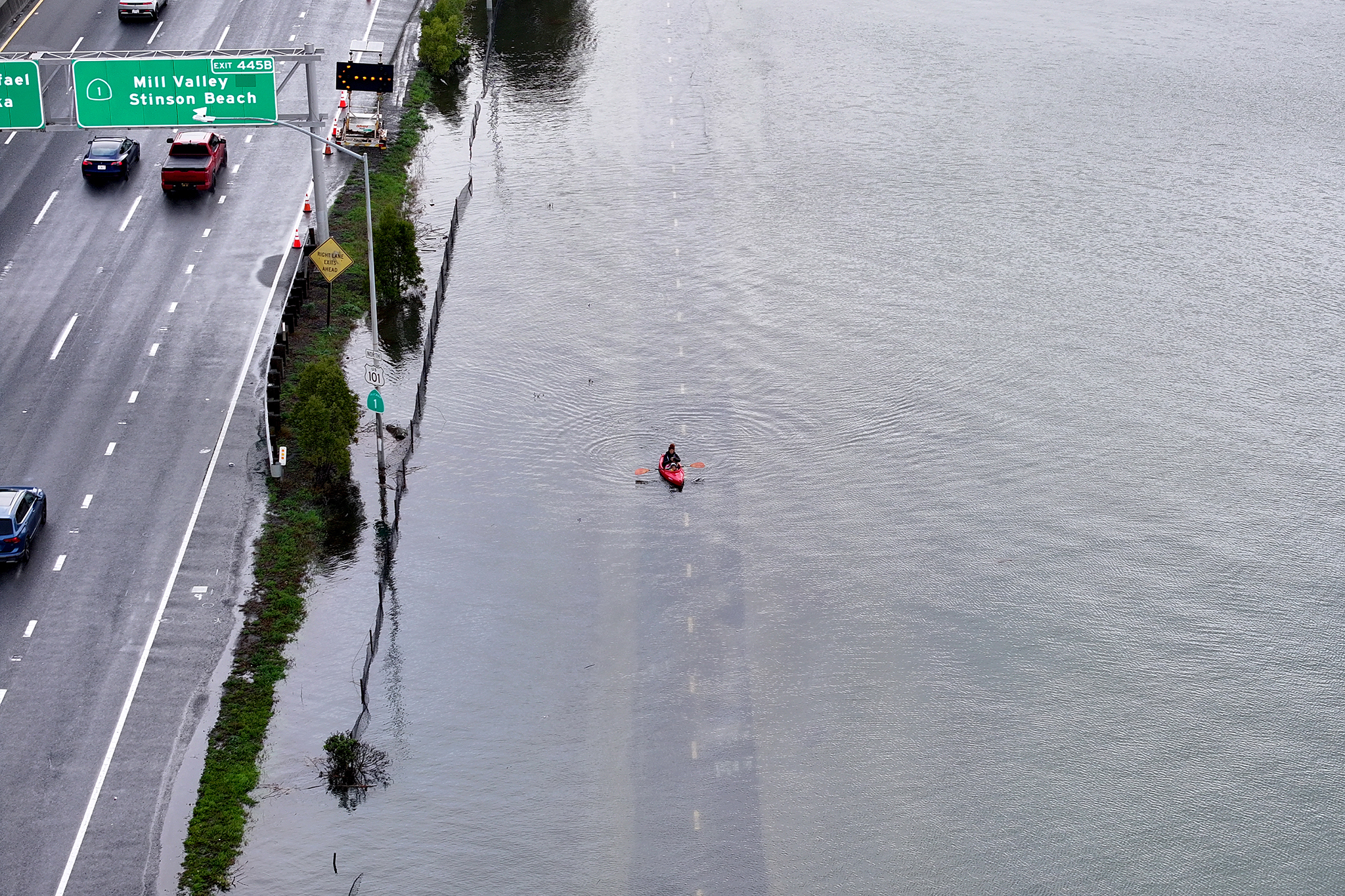
Daniel Swain, a climate scientist for the University of California’s Agriculture and Natural Resources, expects an average 6 inches to 2 feet of temporary sea-level rise to hit California’s shores this year. King tides, which inundated parts of the Bay Area last winter, and storm surges could bring it higher.
“We kind of get to the point where 2 to 3-plus feet of temporary sea-level elevation is possible near California later this year during a major storm event,” Swain said during an online briefing. He added: “We could see major coastal flooding this year. In fact, we may see all-time, record-high water levels during storm events or king tides this year.”
El Niño is the warm phase of a pattern that develops along the equator in the Pacific Ocean called the El Niño-Southern Oscillation, or ENSO. During El Niño events, weak trade winds are associated with above-average surface temperatures in those waters. The other phase, La Niña, brings stronger winds that promote cooler ocean conditions. The pattern alternates irregularly, with neutral phases in between.
This year’s El Niño pattern tips the odds in favor of a wetter winter in California, especially in the southern part of the state, and could also intensify the eastern Pacific hurricane season.
When the ocean warms during El Niño, not only are there these impacts to the weather but the water also expands in volume. After detecting enormous swells of warm water for months as El Niño formed, scientists from NASA’s Jet Propulsion Laboratory processed satellite data in June that captured the higher-than-average ocean levels building up along South America. Various oceanic forces have pushed these warmer, taller water conditions across the Pacific into coastal countries like Peru — and they will likely drive them toward California as the year progresses.
Read more Slab of cliff falls into the ocean at iconic surf break
“This blob of warm water that’s moved across the equator and smashed into South America has raised sea levels there by about 8 inches above normal,” Josh Willis, a senior research scientist who helped to process the recent data, told SFGATE. “Maybe that doesn’t sound like a lot if you’re standing on the beach, but it makes a pretty big difference since the high tides and storm surges are higher. That warm water will eventually make its way up the coast of the Americas, and we’ll have high sea levels here in California, too.”

The Bay Area’s best free newsletter.
By signing up, you agree to our Terms Of Use and acknowledge that your information will be used as described in our Privacy Policy.
The latest outlook from the Climate Prediction Center shows a 63% chance that El Niño will become “very strong” from November 2026 through January 2027. Generally, the stronger the event — meaning the warmer those seas get along the equator — the more reliable the impacts of El Niño are for forecasters; there have been outlier years, however.
Already, San Francisco’s tidal station has recorded about a 10-inch rise in bay waters since 1900, according to the weather service. And climate change is projected to cause between of sea-level rise in the Bay Area, compared with the levels in 2000, by the end of the century.
“For this winter in particular, there is a very reasonable likelihood that we’re going to see sea levels that are consistent with what we predict for the 2050s,” Michael Beck, the director of the Center for Coastal Climate Resilience at UC Santa Cruz, told SFGATE. “If you look at this somewhat positively, you could say that this is going to tell us what we need to plan for on a regular basis in the future.”
— Former pro skateboarder, 49ers fan, killed in Calif. double homicide
— 34-year-old woman trapped in Northern California well dies
— California lands five universities in world’s top 25
— 2 Bay Area students die after getting trapped on Santa Cruz beach
Read more New details released on suspect in deadly Northern California library shooting
Sign up for daily SFGATE breaking news alerts here.