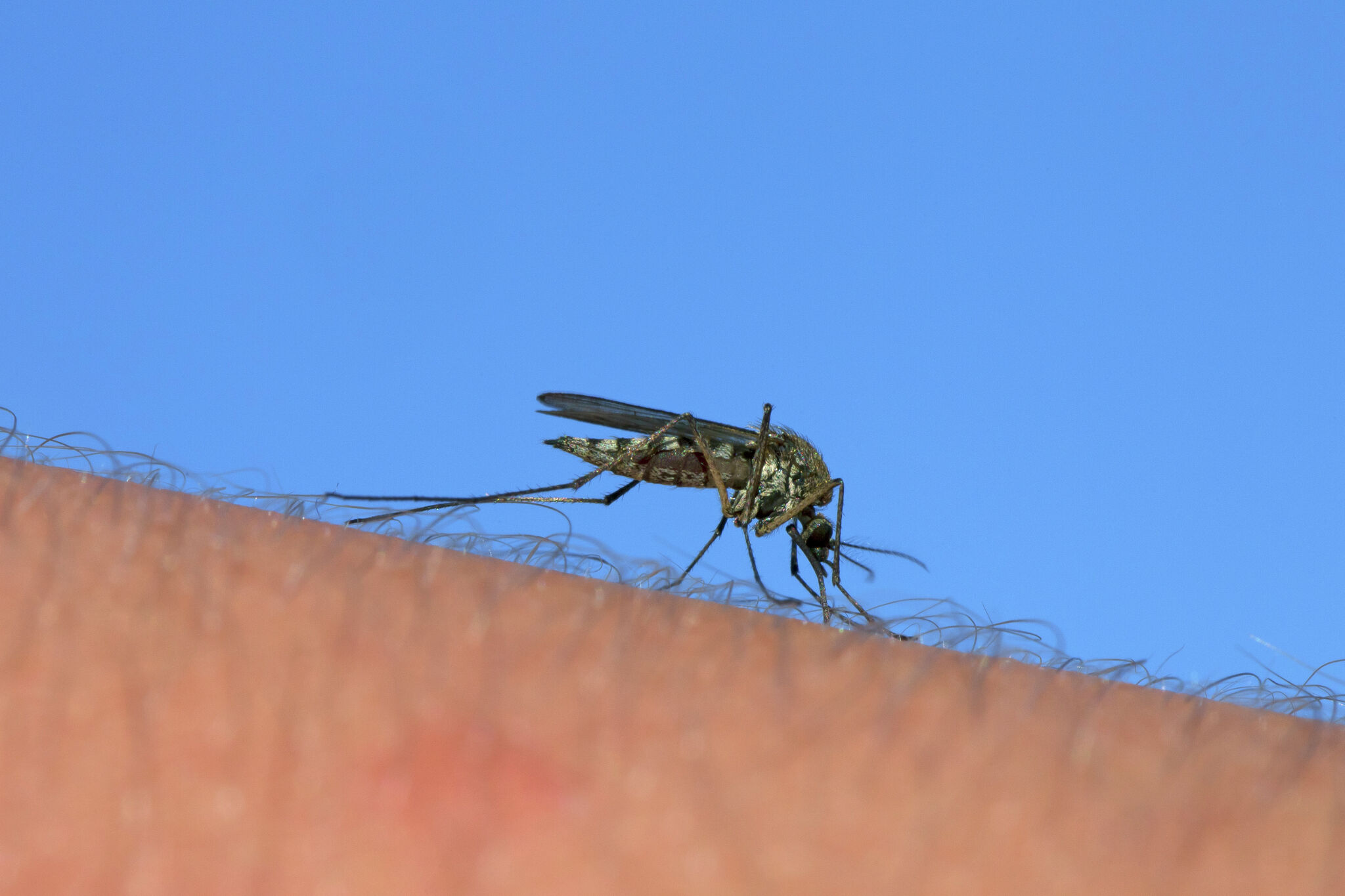
Google applies for permit to release 32 million mosquitoes in Calif.
Squashing bugs is the goal of every tech company, but typically not the blood-sucking kind. Google wants to do both.
Read more Los Angeles Mayor Karen Bass grabs edge in early returns, vows ‘victory in November’

In a permit filing with the Environmental Protection Agency, Google wants to release millions of mosquitoes in California and Florida. The Debug Project’s goal is to decimate populations of disease-carrying mosquitoes by introducing what it calls “good bugs” to the environment. Under its , Google is asking to release 64 million mosquitoes across the two states over two years.
Though the idea may seem outlandish, it isn’t a novel approach to large-scale pest control. It also isn’t a “Black Mirror”-esque rollout of buzzing nano drones equipped with surveillance or malicious tech.
The mosquitoes are real, infected with a naturally occurring bacteria rendering them sterile, according to Debug’s website. Because male mosquitoes don’t bite, the company plans to release only sterile males, with the goal that they mate with potentially disease-carrying female mosquitoes. Those female mosquitoes will go on to lay unfertilized eggs, decreasing the population of potentially dangerous mosquitoes over time.
“It’s really a genius technique that has been used to completely eradicate or reduce numbers of serious pests and vectors,” said Chris Grinter, an entomologist at the California Academy of Sciences.
The International Atomic Energy Agency describes the process, known as the sterile insect technique, as environmentally friendly. Grinter told SFGATE that the males would likely end up blending into the ecosystem as pollinators and grub for aquatic life.
California already does this for other pests. The state Department of Food and Agriculture launched an SIT program in 1996 to counter Mediterranean fruity fly colonies over 1,750 square miles in Los Angeles, Orange and San Bernardino counties. Known as the Medfly Preventive Release Program, the operation releases 62,500 to 125,000 flies per week and costs the state around $16 million annually. Since the program’s inception, the department says the program has brought Medfly infestations down by 90%.
The department launched a similar operation in San Jose after officials detected Medflies there last year. In August, the CDFA started releasing 250,000 sterile Medflies per week over an 85-square-mile zone in Santa Clara County, a process typically repeated for up to .
Read more California holds crowded primary in race to replace Gov. Gavin Newsom
Using SIT for mosquitoes can be trickier. Unlike some other bugs, such as the Medfly, which poses a risk only to agriculture, mosquitoes can be vectors of disease, posing a risk to humans. Grinter said researchers have to be particularly careful about not accidentally releasing female mosquitoes that could go on to reproduce.
“You don’t want to accidentally increase the mosquito population,” Grinter said.

The Bay Area’s best free newsletter.
By signing up, you agree to our Terms Of Use and acknowledge that your information will be used as described in our Privacy Policy.
Google’s timeline is not clear based on the permit filing, although the company wrote it wanted to start releasing mosquitoes by the millions as early as next year (Google did not respond to a request for comment). In the meantime, Grinter said California residents can deter mosquitoes on their own by getting rid of water sources in their yards where mosquitoes can breed.
As for Google’s efforts, Grinter told SFGATE it was exciting to have “tech leaders that are taking technology to have a positive impact.”
“I hope it’s really successful because it could be just like a sustained long-term method for eradicating really dangerous mosquito populations,” Grinter said.
— Tourist dies at Calif. skydiving center after apparent collision
— Bay Area Target’s grocery section closed following rat infestation
— Man kills 3 generations of family in Modesto, police say
— Bay Area residents’ complaints threaten future of popular restaurant
Read more Big Tech’s favorite candidate Matt Mahan concedes in Calif. governor race
Sign up for daily SFGATE breaking news alerts here.