Thousands of vacant homes could soon trigger a hefty new tax in California city
One of California’s largest cities will decide next week on whether to tax property owners annually for homes left vacant more than half the year.
Read more Record-breaking rain may delay start of peak fire season for Bay Area

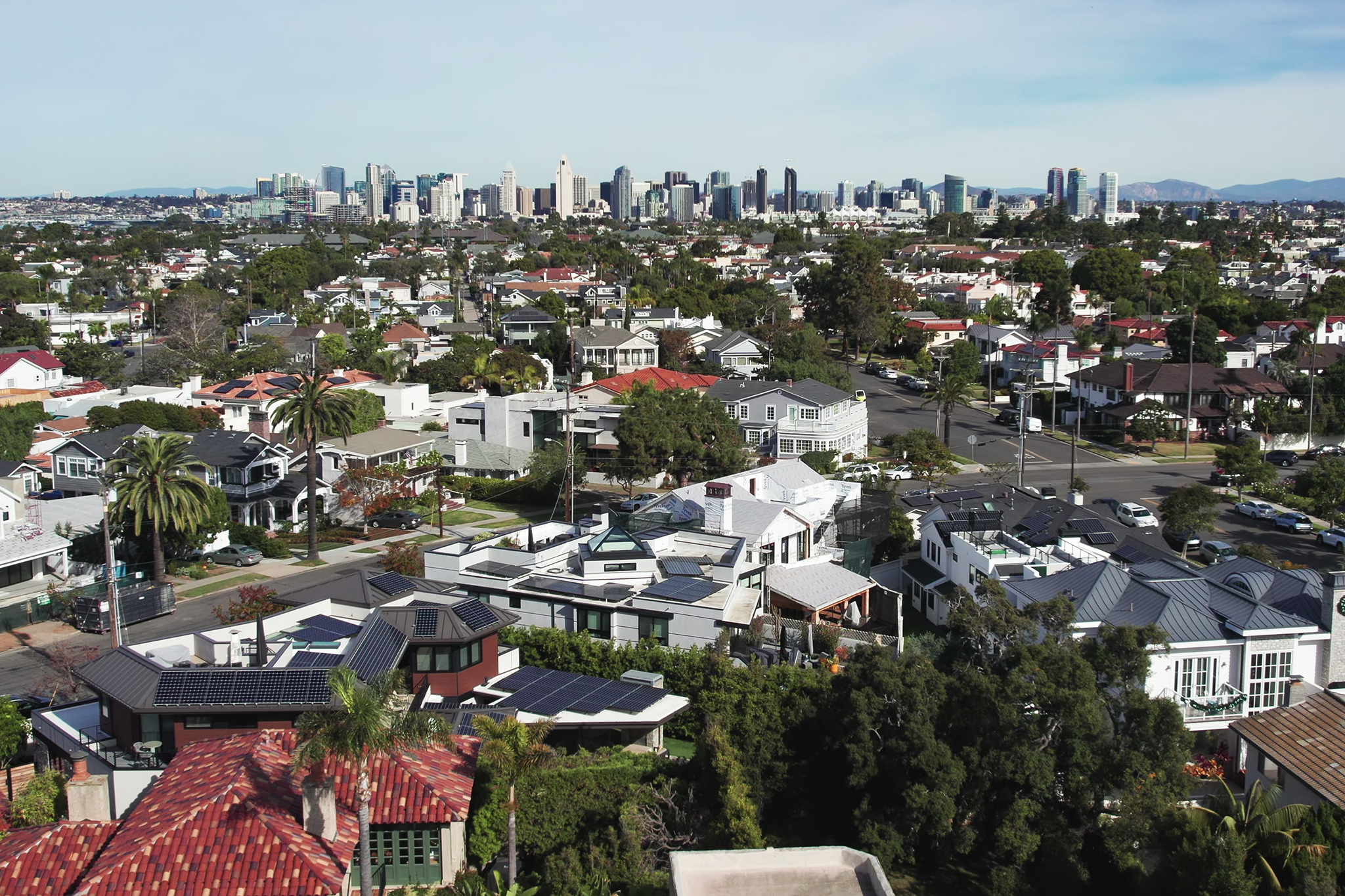
San Diego residents will vote on Measure A next week, a controversial tax that would charge homeowners if their properties are vacant for more than 182 days a year. If passed, it would go into effect in 2027 and charge up to $8,000 the first year and $10,000 the next, with additional fees for commercial property owners. All the revenue would go into the city’s general fund.
It could amount to that qualify for the tax, the measure says, resulting in about $24 million generated each year.
San Diego has been hit hard by a housing shortage in the past decade, while home prices nearly doubled. Backers say the measure would help return some of these vacant homes to the market.
Opponents, meanwhile, argue that the law would be an invasion of privacy and that there’s no guarantee the tax would help address the city’s housing shortage.
The measure has spawned a fierce battle among voters, with coalitions throwing tens of thousands of dollars in support of and against the measure. Supporters have spent just over $280,000, mainly from labor unions, while the opposition has funneled more than $1.3 million in efforts to defeat it, the San Diego Union-Tribune reported. The bulk of that opposition money comes from real estate groups, including both the California and the national associations of Realtors.
Should it pass, these opposition groups have also pledged to legislate against it.
Several other California cities have passed legislation taxing vacant homes in the past decade to varying levels of success. Oaklanders approved a vacant property tax in 2018 — defined as in use less than 50 days in a calendar year — of up to $6,000 for a residential property. Berkeley implemented an “empty homes tax” in 2024, taxing property owners up to $12,000 for units that are vacant for more than 182 days, though some landlords have skipped out on paying millions in taxes in hopes that the law is struck down in court.
Read more Viral OnlyFans model Kamryn Renae rescued off Mount Whitney hike

The Bay Area’s best free newsletter.
By signing up, you agree to our Terms Of Use and acknowledge that your information will be used as described in our Privacy Policy.
San Diego officials have said its proposed tax is most closely modeled after Berkeley’s.
San Francisco passed its own empty homes tax in 2022, which would have netted the city up to $20 million per year for vacant units, but the legislation has been ensnared in legal battles and is effectively halted after a San Francisco Superior Court Judge ruled the tax unconstitutional. The city is appealing the ruling. It would have raised funds for affordable housing initiatives.
Other cities have swiftly voted down similar proposals. In November 2024, more than 74% of South Lake Tahoe voters said “no” to a proposal that would have taxed homeowners who use their homes less than 182 days of the year up to $6,000 annually. A city report at the time said nearly 48% of the city’s total housing stock sat empty for at least half the year. Voters in Santa Cruz rejected a similar tax in 2022, with 54% voting against it.
Travel | Disneyland’s likely 3rd theme park has been nearly 30 years in the making
Culture| The 18-foot-high fence that turned Sonoma and Marin communities upside down
Food| The SF tech worker whose unhinged order broke In-N-Out forever
Politics | Gen Z students are embracing the ‘Kirk doctrine’ on California campuses
Get SFGATE’s top stories sent to your inbox by signing up for The Daily newsletter here.
Read more Tovar, Goodman homer in 5-run 9th, Rockies beat Giants 8-6