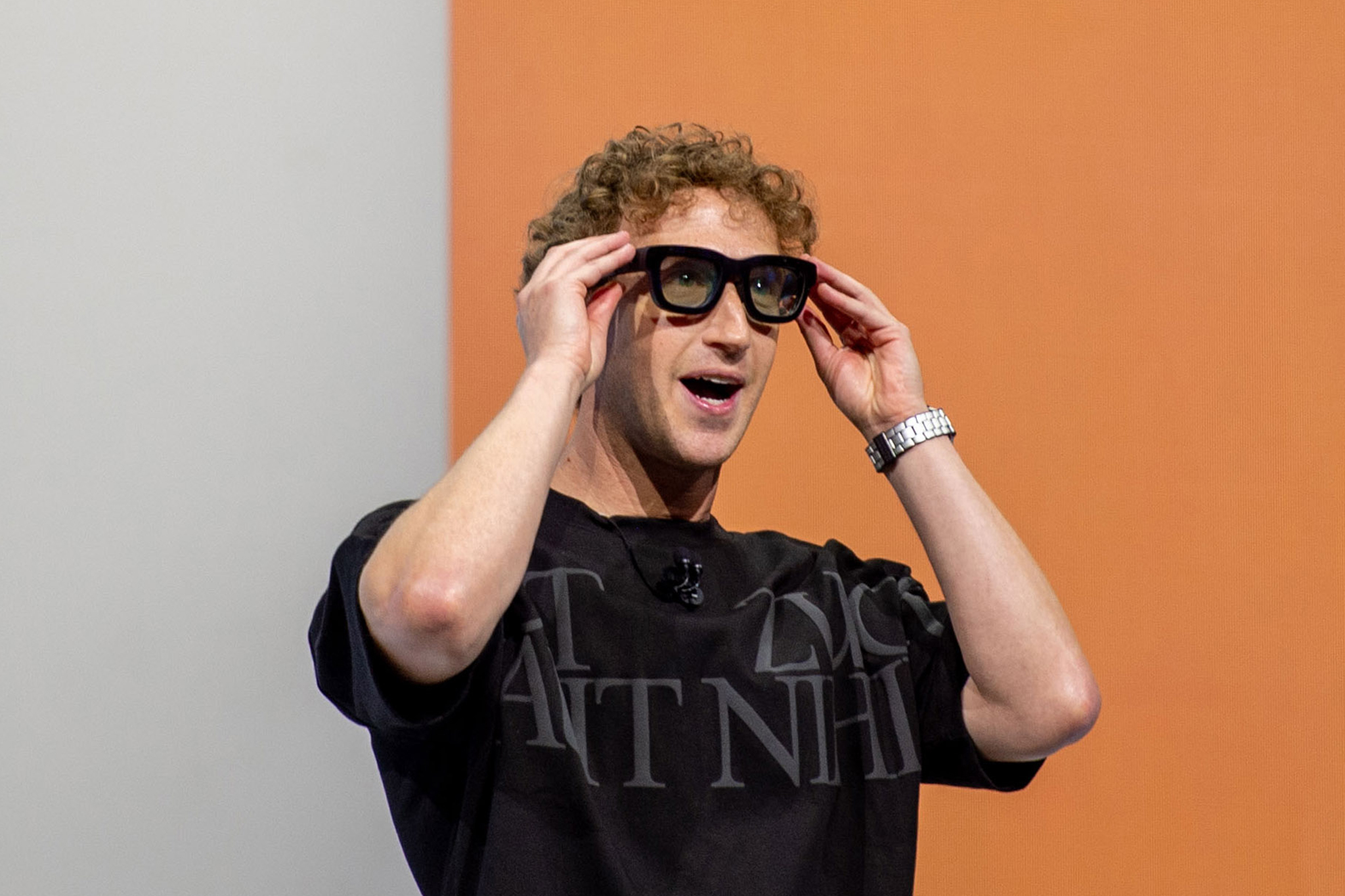
Newsom vetoes a bill to regulate Big Tech’s ‘pervert’ glasses
California Gov. Gavin Newsom vetoed a bill Wednesday that would have criminalized some uses of products like Ray-Ban’s Meta AI Glasses, which have exploded in popularity while also being called “pervert” glasses by critics.
Read more Smart ring CEO found guilty of bilking millions from tech investors

In a explaining his veto of Senate Bill 1130, Newsom said the bill defined wearable recording technology too “broadly and imprecisely.” While he noted “disturbing” cases of people using the tech, the governor wrote that the bill’s language could stir confusion around what devices would qualify in enforcing the law.
SB 1130 would have penalized manufacturing wearables that don’t have some indication, like a light, that they are recording. It also criminalized tampering with those indicators, with a fine of up to $2,500, and recording in places where people have a “reasonable expectation of privacy.”
Newsom said in his letter that California law already outlaws unlawful recording and that the bill’s protections would be redundant.
The bill passed the Legislature largely on partisan lines, with every Republican in the Senate opposing it, and only one Republican in the Assembly voting to approve. The bill’s sponsor, State Sen. Eloise Gómez Reyes, a Democrat representing San Bernardino County, said in a statement to SFGATE that she was “disappointed” in Newsom’s decision.
“Technology will continue to advance, but our expectation of privacy in our most vulnerable and personal moments should not disappear with it,” Reyes said in a statement. “Californians deserve clear protections that keep pace with the technology around us.”
Read more Pup boom for endangered gray wolves breaks California records
Newsom’s veto is a small victory for companies like Meta, which has sold more than 7 million glasses. The tech has been subject to increasing scrutiny over privacy and safety concerns. This year, an investigation by Swedish news outlet Svenska Dagbladet found that Meta’s subcontractors in Kenya could access private recordings to train Meta’s artificial intelligence. Users later sued the company this year in an ongoing class action lawsuit over the same allegations.
Some critics have taken it upon themselves to counter the tech. This summer, a Polish developer released an app that has skyrocketed in popularity around the globe that allows people to track nearby glasses by their Bluetooth signal. In London, a Meta glasses “amnesty bin” popped up last month allowing people to “drop them in and walk away with what’s left of your dignity.”
Reyes said she’ll push for the law again next year.
“I remain committed to getting this right, and I intend to reintroduce this legislation next year and continue working with stakeholders to ensure California law protects personal privacy in the digital age,” Reyes said in a statement.
— TSA terminates contractor at SFO after 24 years
— Bay Area high school jumps from No. 187 to No. 10 in new ranking
— FBI searching for Bay Area firefighter who may have faked death
— Crowds descend on SF to see pop star’s personal art collection
Read more Manny Yekutiel drops out of SF supervisor race amid sexual assault allegations
Sign up for SFGATE’s breaking news email