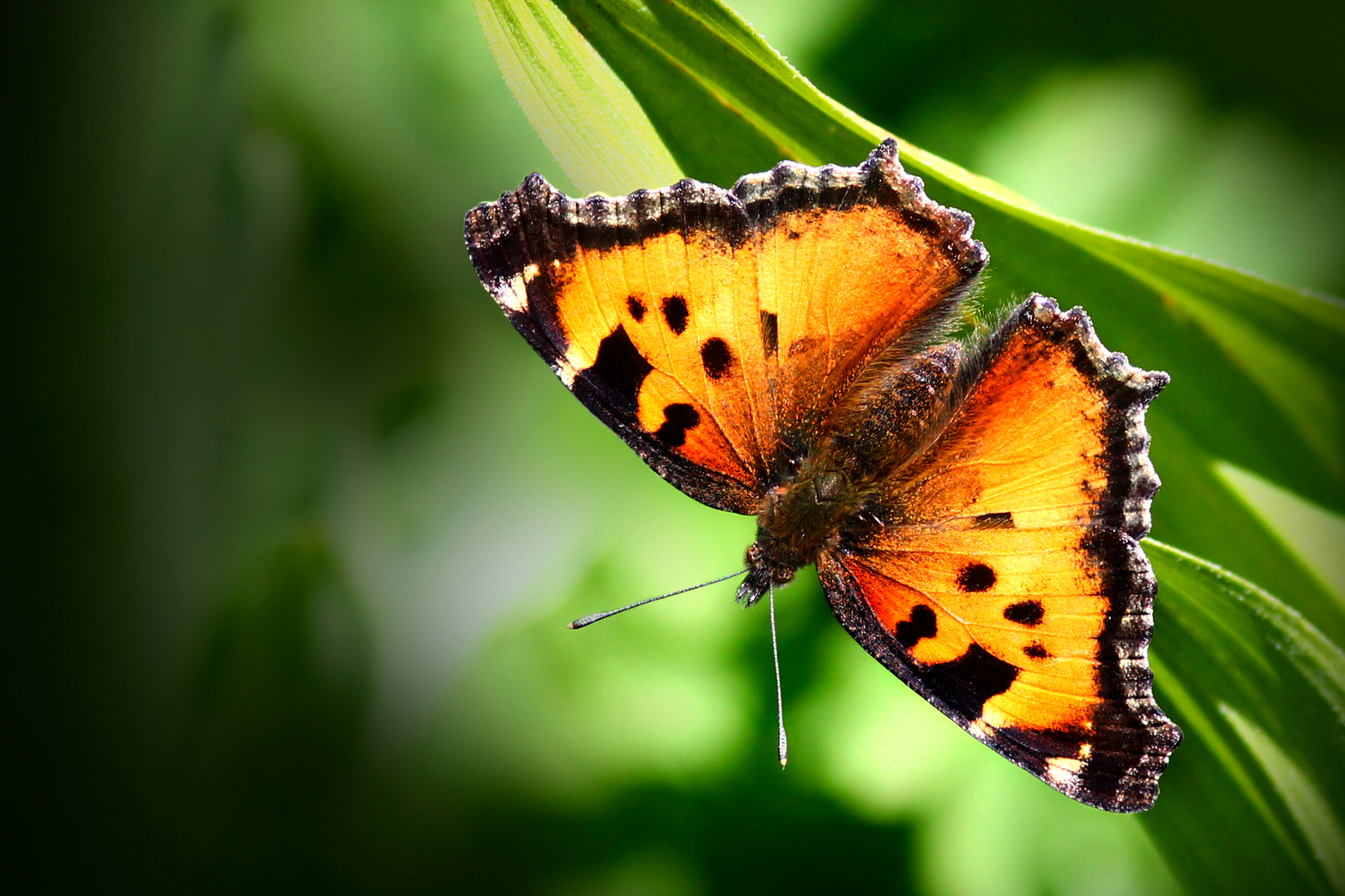
‘Massive migratory flight of millions’: Rare butterfly swarm visits Tahoe, Lassen
An unusual wave of butterflies delighted residents in the Santa Cruz mountains in May. Now, a second tide of the orange-and-brown insects has emerged hundreds of miles away in the Sierra Nevada and near Lassen Volcanic National Park.
Read more Why California is rebuilding Santa Clara County’s largest dam

Regional biologists this week reported the insects, known as California tortoiseshells (Nymphalis californica), are swarming around Lassen Volcanic National Park, with smaller numbers fluttering around the Lake Tahoe area.
Rachael Long, a retired entomologist, recently visited her family’s cabin on Lake Almanor, about a 45-minute drive from the national park, and encountered the population explosion.
“Driving up the mountain toward Lassen National Park, you just get these waves and waves of butterflies coming through, and it’s just incredibly spectacular,” said Long, an emeritus adviser for the University of California Cooperative Extension, in a phone call with SFGATE this week. “It’s just absolutely stunning to see thousands and thousands of butterflies flying past you. It’s an extraordinary feeling and sight to witness.”
The butterflies resemble monarchs, a species on the brink of extinction that shelters along California’s coast every winter. But populations of the so-called “torties” fly throughout the West, and when conditions are good for both host plants and larval survival, their numbers skyrocket during certain years.
“No two years are identical in terms of where they go precisely and the numbers involved,” Arthur Shapiro, an emeritus professor at UC Davis who specializes in butterflies, told SFGATE in May. “There have been migrations that have been enough to stop traffic on highways.”
Although scientists can’t predict where they will appear or in what numbers, the butterflies generally migrate to lower elevations in the fall to overwinter and then make their way into higher elevations for the summer. They follow the budding of wild lilacs (Ceanothus), where they lay their eggs. Typically, a new generation of adults emerges this time of year, at the height of summer.
In May, tortoiseshells showed up in droves to areas like Bonny Doon, a community in the Santa Cruz mountains devastated by the CZU Lightning Complex fires in 2020. Grey Hayes, an ecologist who lives just north of Santa Cruz, told SFGATE at the time that he had not noticed tortoiseshells in Santa Cruz County since 2017 and guessed the explosion of lilacs in the CZU burn scar had attracted them. These were likely the parent generation of the butterflies currently flying in Lassen.
“The migration of California tortoiseshell butterflies is one of the truly magical sights of summer at Lassen Volcanic National Park,” Sierra Coon, a spokesperson for Lassen, wrote to SFGATE. “As summer heat settles over the Sacramento Valley, the butterflies make their way to the park’s cooler mountain elevations—much like many of our visitors escaping the valley heat! In the fall, the butterflies return to lower elevations to hibernate, resting until it’s time to begin the journey again the following summer.”
Read more Controversial SF robot startup faces class action lawsuit for allegedly not paying workers
The butterflies also made headlines in the Lake Tahoe area in 2019 when social media posts documented an exceptional swarm.
“They are an irruptive species, which means it’s a species that sometimes can just have amazingly successful years where there’s a lot more of them than usual,” said Matthew Forister, a biologist at the University of Nevada, Reno, who contributes to a butterfly monitoring program at six sites in the Sierra Nevada. Forister spoke with SFGATE by phone on Monday. “It’s not a problem. It’s not, you know, strange. But it’s impressive, and it’s cool to see.”
Forister said that while reports of the biggest numbers were in Lassen, his team also recorded a flurry at their survey site on Mount Rose.

BECOME A FRIEND. GET OUR AD-FREE APP.
It’s not just the sight that’s notable but also the sound. Long noted that butterflies repeatedly hit her neighbor’s doorbell. In Alpine Meadows, a neighborhood northwest of Lake Tahoe, butterflies were streaming into a cabin last week. “They get in the house, and they’re not like flies, you know?” Michael Graf, the homeowner, told SFGATE. “[We hear them] flapping in the blinds. And we save them, of course.”
According to Long, the massive wildfires of recent years in Lassen National Volcanic Park — such as the Dixie Fire in 2021 — may partly explain what is attracting the butterflies this summer. Lilacs flourish after burns.
“It’s probably a response to the Dixie Fire, which burned everything,” she said. “California lilacs power the nitrogen cycle for the Sierras and coastal foothills. After a fire, it has just totally taken over, and that’s what the butterfly larvae are feeding on. They’ve built up to really high populations, and now, it’s just this massive migratory flight of millions.”
— Super rare tropical bird swoops over California. Experts fear a trend.
— New fault capable of massive earthquakes discovered in California
— Deadly parasite is flourishing in a California river
— NASA satellite spots El Niño driving higher seas toward California
Read more 33-year-old Calif. rock climber dies in tragic accident at Big Bear
Sign up for daily SFGATE breaking news alerts here.